Pages

Monday, 25 March 2019

Plants


AIM: TO LEARN ABOUT THE NATURE OF PLANTS

Plants fall into two categories:

1. Evergreen
2. Deciduous

Find three examples of each:

Evergreen: 

1.


2.
3.


Deciduous;

1.
2.   
3.  

LEAVES


Example: 
Plant type: Deciduous / Evergreen
Leaf type: Simple / Compound
Leaf colour: Green
Photo of leaf: 
Plant drawing:

MY LEAF COLLECTION


1.
Plant type: Deciduous / Evergreen
Leaf type: Simple / Compound
Leaf colour:Green 
Photo of leaf:------------------------->
Plant drawing:

2. 
Plant type: Deciduous / Evergreen

Leaf type: Simple / Compound
Photo of leaf:------------------>
Plant drawing

3.  
Plant type: Deciduous / Evergreen
Image result for leavesLeaf type: Simple / Compound
Photo of leaf:--------------------->
Plant drawing:

4. 
Plant type: Deciduous / Evergreen
Leaf type: Simple / Compound
Image result for leavesPhoto of leaf:
Plant drawing:------->

5.  
Plant type: Deciduous / Evergreen
Image result for leavesLeaf type: Simple / Compound
Photo of leaf:--------------------->
Plant drawing:


RESEARCH 4 TYPES OF PLANTS


Carnivorous plants
Pine trees 
Fruit trees
NZ Natives

Example

Title: NZ Natives
Examples: 
1. 
2.
3.
4.

Habitat: Where do they live?
Country:
Climate:


Thursday, 21 March 2019

What is that white powder?


Today you will be a forensic chemist. 
A bag of white powder has been confiscated by the airport customs.  You need to find out what white powder it is?

Aim: To learn about the makeup of different white powders.

There are  a number of different white powders in our everyday life. Some of these are harmful and others are not. Test the four white powders listed to see which one has been found at the airport.

Here are some examples of everyday kitchen white powders.

Flour, Cornflour, Sugar, Salt, Baking Soda, Baking Powder, Icing Sugar, Tartaric Acid

Citric Acid, Gluten Free flour

You will be given a small amount of 4 white powders on your cardboard. On the black cardboard using a magnifying glass look at the powders.
Look at them under your magnifying glass and record what you see. 

These are the four powders we will be using. Upload a photo of each powder. 

1.  Cornflour
2.  Baking Soda
3.  Salt
4.  Sugar 

Before you add the iodine, vinegar or water you will need to divide each powder into 3.

Materials

1.  Salt
2.  Baking soda 
3.  corn flour
4.  sugar
5.  
6.   
7. 

Steps

1. get your paper.
2. get your ingredients.
3. put the name of your ingredients.
4. put the water or vinegar in the ingredients.

Findings:


Sugar
Salt
Baking Soda
Cornflour
Appearance
cubescrystalpowderbubbles
Texture
hardhardsmoothsmooth
Smell
sweetsoursoursour
Iodine


Water


Vinegar


Write a paragraph about your findings.


Making Sherbet


Once you have completed your blog and cleaned up all your equipment you can make sherbet.
Using the following recipe you can make sherbet.
Sherbet recipe

Recipe: 

1 tsp of powdered drink crystals (eg refresh)
1/4 tsp citric acid
1/2 tsp icing sugar
1/4 tsp -baking soda.
Put all ingredients into a zip lock bag, stir, and enjoy.

Materials:

1.  
2.  
3.  
4.  
5.  

Steps 

1.
2. 
3. 
4. 
5. 
6. 

Findings:


Sherbet

Taste

Colour


Conclusion

Friday, 15 March 2019

Home chemistry

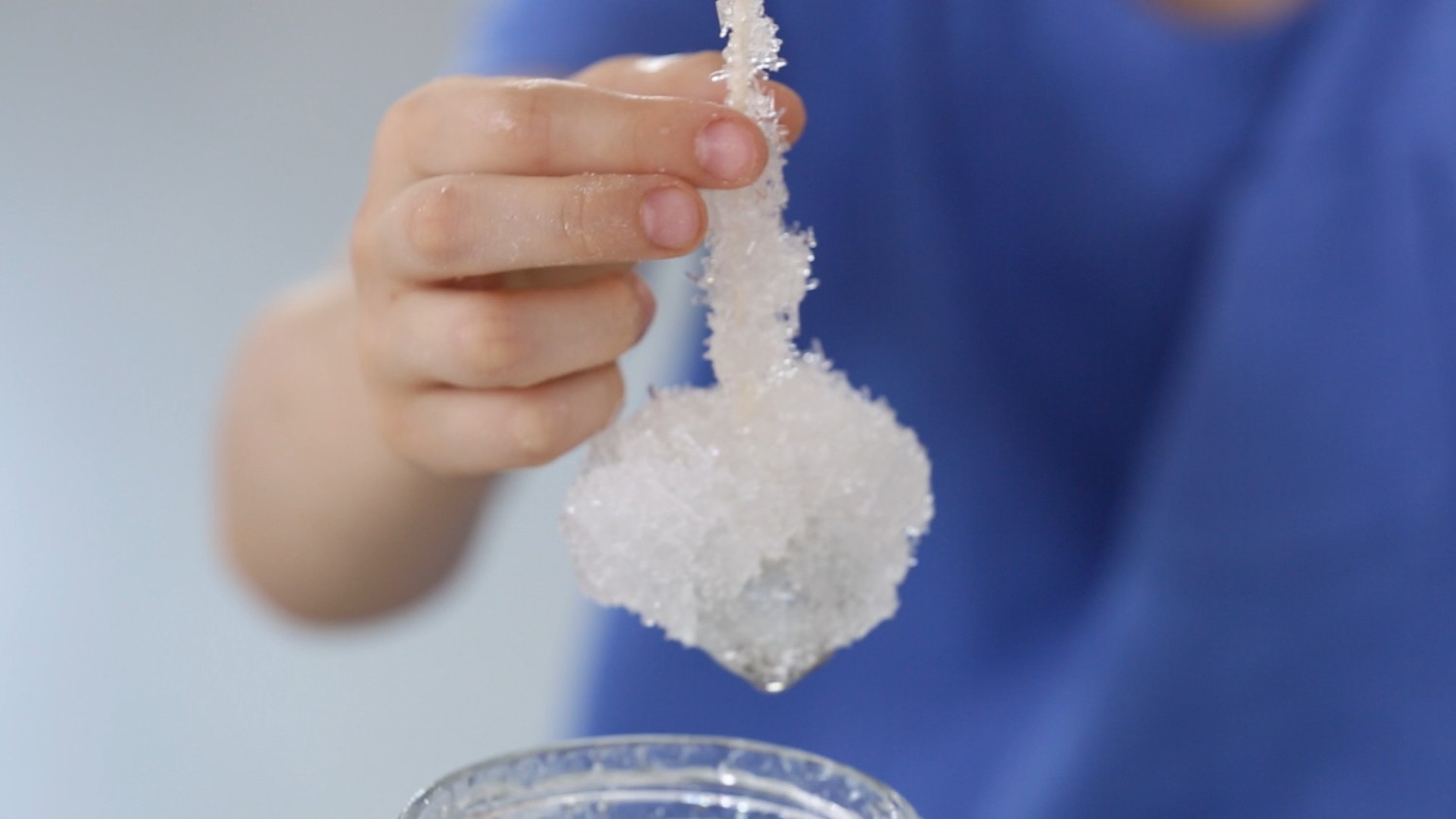
Home Chemistry - Crazy Crystals

Aim: To learn about a saturated solution and how to make crystals

Definition of solution
A liquid mixture, when something is dissolved into a liquid (eg: sugar in water) 

Definition of saturated
Having or holding as much as can be absorbed of something (when no more sugar or borax can be dissolved into the water)


In groups of three you will make three different types of crystals and compare the results.

Borax Crystals

Image result for borax crystals

Ratio; 3 Tablespoons Borax per 1/2 cup water
Materials

1)Salt
2)Borax
3)Hot water
4)Sugar 
5)Cups

Process

Step 1:Get your cups with your ingredients.
Step 2:Get your Hot water and put in the cup with the ingredients.
Step 3:Mix your hot water and with your ingredients.
Step 4:Get your stick and put your string in the stick and put your pipe cleaner.
Step 5:Put your name.
Step 6:Put in the tray.

Sugar Crystals

Grow your own Sugar Crystals

Ratio: 1 cup sugar to 1/2 cup water
Materials

1)Sugar.
2)Cups.
3)Hot water.
4)Salt.
5)Borax.

Process

Step 1:Get your cups with your ingredients.
Step 2:Get your hot water and put in the cup with the ingredients
Step 3:Mix your hot water and with your ingredients.
Step 4:Get your stick and put your string in the stick and put your pipe cleaner.
Step 5:Put your name.
Step 6:Put in the tray.


Salt Crystals

Image result for how to make salt crystals

Ratio: 4 Tablespoons salt to 1/2 cup water
Materials

1)
2)
3)
4)
5)

Process

Step 1:
Step 2:
Step 3:
Step 4:
Step 5:
Step 6:


Findings

Describe your crystals in the table below.


Crystal Type
Shape
(Describe the shape)
Size
(of individual crystals)
Hardness
(Crumbly to Rock Hard)
Borax


I fail because it did workSmallCrumbly
Sugar


Salt


What crystals worked out best and why?:

Conclusion:

________________________________________________________________________


After watching the videos as a class, explain how the following crystals are formed:


Type
Explanation
Salt
sea water,pond,sun,evaporates water.


Sugar
sugar cane,chop it up,squish/roll,juice heat,evaporate water,sugar crystalises.


Snowflakes
dust,water freezers to it.


CRYSTAL TYPES


AIM: TO LOOK AT THE 7 DIFFERENT TYPES OF CRYSTALS


Image result for salt crystal image
Salt Crystals

Image result for sugar crystal image
Sugar Crystals

Image result for borax crystal image
Borax Crystals


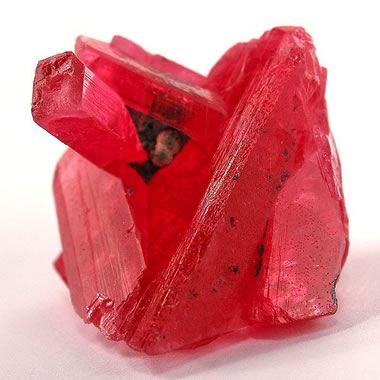
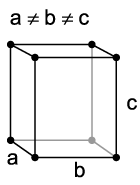
7 different crystal shapes


The 7 types of crystals


Type
Number of sides
2 examples
Image
Triclinic

7

Turquoise Rhodonite

Image result for rhodonite
Monoclinic


8 sides
Orthombic


6 sides 
Related image
Trigonal


10 sides
Image result for trigonal
Hexagonal


8 sides
Image result for hexagonal
Cubic


6 sides
Image result for cubic
Tetragonal


12 sides
Image result for tetragonal